What is Contact Dermatitis?
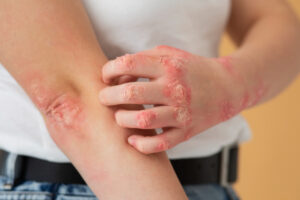
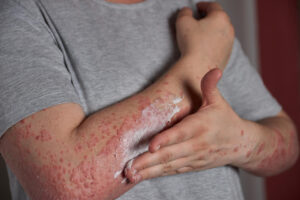
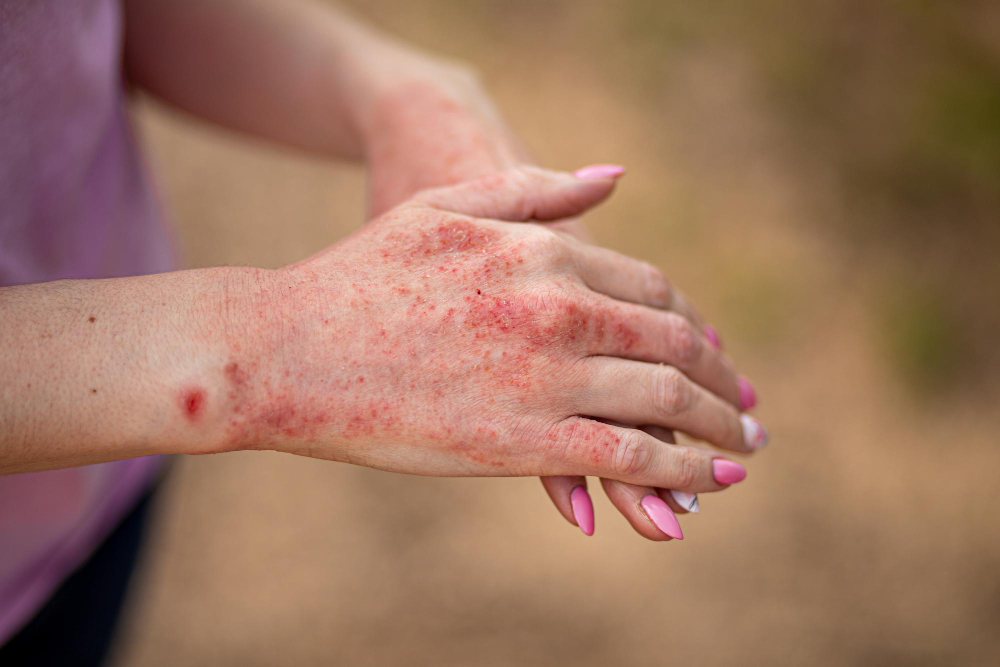
Contact dermatitis is a common skin problem. It happens when your skin touches something that irritates it or causes an allergy. As a result, you may notice redness, itching, or even blisters. According to the CDC, contact dermatitis affects millions of people each year. While it is not life-threatening, it can be very uncomfortable. For many, allergic skin reactions can make daily life harder. However, most cases can be managed with simple steps at home.
Common Causes of Contact Dermatitis
Many things can trigger contact dermatitis. Some people react to certain chemicals, while others develop symptoms after touching plants or metals. For example, poison ivy is a well-known cause. In addition, soaps, detergents, and perfumes can also lead to skin problems. Here are some common causes:
Sometimes, even a small amount of these items can cause a reaction. But not everyone will react to the same things.
Recognizing Symptoms of Allergic Skin Reactions
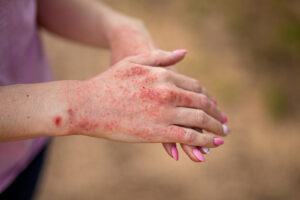
Symptoms of contact dermatitis can show up quickly or take a few days. Usually, the skin becomes red and itchy. Sometimes, you may see swelling or blisters. In some cases, the skin may crack or peel. Here are signs to watch for:
However, symptoms often depend on how sensitive your skin is and what caused the reaction. If you notice these signs after touching something new, it could be contact dermatitis.
How Contact Dermatitis is Diagnosed
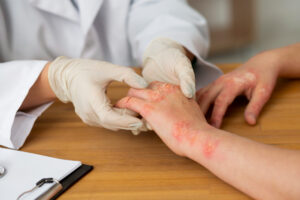
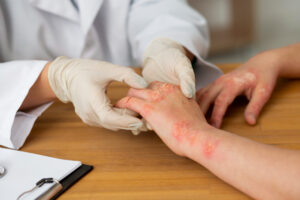
Doctors usually diagnose contact dermatitis by looking at your skin and asking about your recent activities. Sometimes, they may ask if you have tried new soaps or lotions. In some cases, a patch test is used. This test places small amounts of possible triggers on your skin to see if a reaction occurs. Because many things can cause allergic skin reactions, finding the exact cause may take time. But with careful questions and tests, most people get answers quickly.
Effective Treatments for Contact Dermatitis
Treating contact dermatitis at home is possible in many cases. First, avoid the item that caused the reaction. Next, wash the area with mild soap and water. This helps remove any leftover irritant. For mild symptoms, you can try:
However, if your symptoms are severe or do not improve, you may need prescription medicine. Sometimes, doctors suggest stronger creams or pills to help with swelling and itching.
Prevention Tips and Lifestyle Guidance
Preventing contact dermatitis is often possible with a few simple steps. For example, you can:
Additionally, reading product labels can help you spot possible irritants. If you have sensitive skin, test new products on a small area first.
When to See a Dermatologist
Most cases of contact dermatitis get better with home care. However, you should see a dermatologist if:
Because skin allergies can sometimes be tricky, a dermatologist can help find the cause and suggest the best treatment.
If you notice persistent or severe skin reactions, consult a dermatologist Dr. Srinivas Neelarapu for personalized advice. Early care can help you feel better and prevent future problems.