What Are Photosensitivity Disorders?
Many people enjoy spending time outdoors. However, some develop skin problems after being in the sun. These problems are known as photosensitivity disorders. In simple terms, these are conditions where the skin reacts badly to sunlight. For some, even a short time in the sun can cause a rash or other symptoms. Because of this, photosensitivity disorders are sometimes called “sun allergy” or “photosensitive skin conditions.” While these issues are not rare, they can be confusing and upsetting for those affected.
Common Symptoms of Photosensitivity Disorders
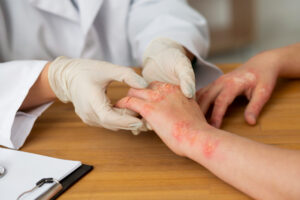
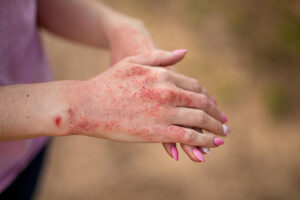
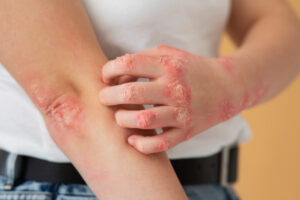
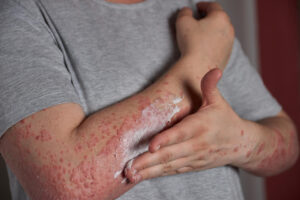
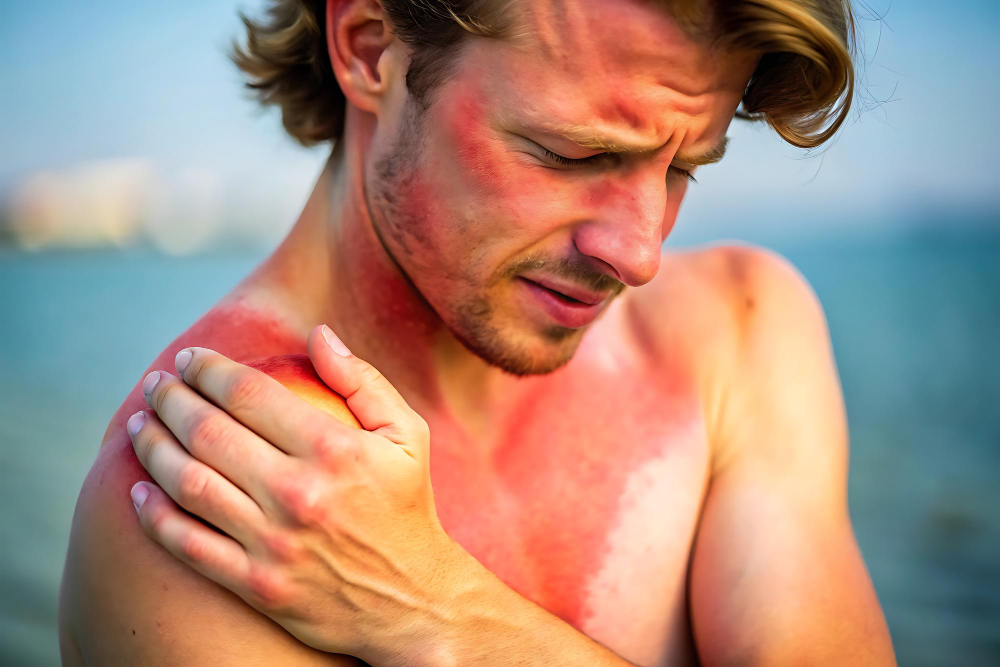
People with photosensitivity disorders may notice skin changes soon after sun exposure. Often, symptoms appear within minutes to hours. However, not everyone experiences the same signs. For example, some may only get mild redness, while others develop severe rashes. Common symptoms include:
Sometimes, the rash can spread to areas not directly in the sun. In addition, symptoms may last for days, even after leaving the sun.
Causes and Risk Factors
Photosensitivity disorders have several causes. Some people are born with sensitive skin. Others develop these conditions later in life. For instance, certain medicines or health problems can make the skin more sensitive to sunlight. Here are some common causes and risk factors:
Because the sun’s rays are stronger at midday, symptoms may be worse during these hours. Also, people living near the equator or at high altitudes are at higher risk.
How Photosensitivity Disorders Are Diagnosed
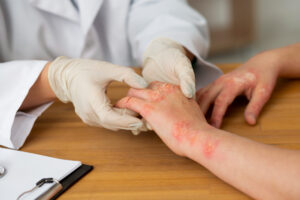
Doctors use several steps to diagnose photosensitivity disorders. First, they ask about your symptoms and sun exposure. Next, they may check your medical history and any medicines you take. Sometimes, doctors perform special skin tests. For example, they might shine a light on a small patch of skin to see how it reacts. In addition, blood tests can help rule out other conditions, such as lupus. Because photosensitive skin conditions can look like other rashes, getting the right diagnosis is important.
Treatment Options for Photosensitivity Disorders
Treatment depends on the cause and severity of the disorder. For mild cases, avoiding the sun may be enough. However, some people need more help. Common treatment options include:
Sometimes, doctors may prescribe special creams or pills to help manage symptoms. In rare cases, light therapy is used to help the skin get used to sunlight.
Tips for Living with Photosensitivity Disorders
Living with a sun allergy or photosensitive skin condition can be challenging. However, there are ways to protect your skin and stay comfortable. For example, planning your outdoor activities can make a big difference. Here are some helpful tips:
Because sun rash can be triggered by even small amounts of sunlight, being careful every day is important.
Preventing Sun-Induced Rashes
While not all sun rashes can be prevented, taking certain steps can lower your risk. For instance, knowing how to prevent sun rash can help you enjoy time outdoors. Try these prevention tips:
Because early action can prevent more serious problems, always watch for new or worsening symptoms. According to the CDC and WHO, protecting your skin from the sun is key for everyone, but it is especially important for those with photosensitivity disorders, consult Dr.Srinivas Neelarapu now.