What is Alopecia?
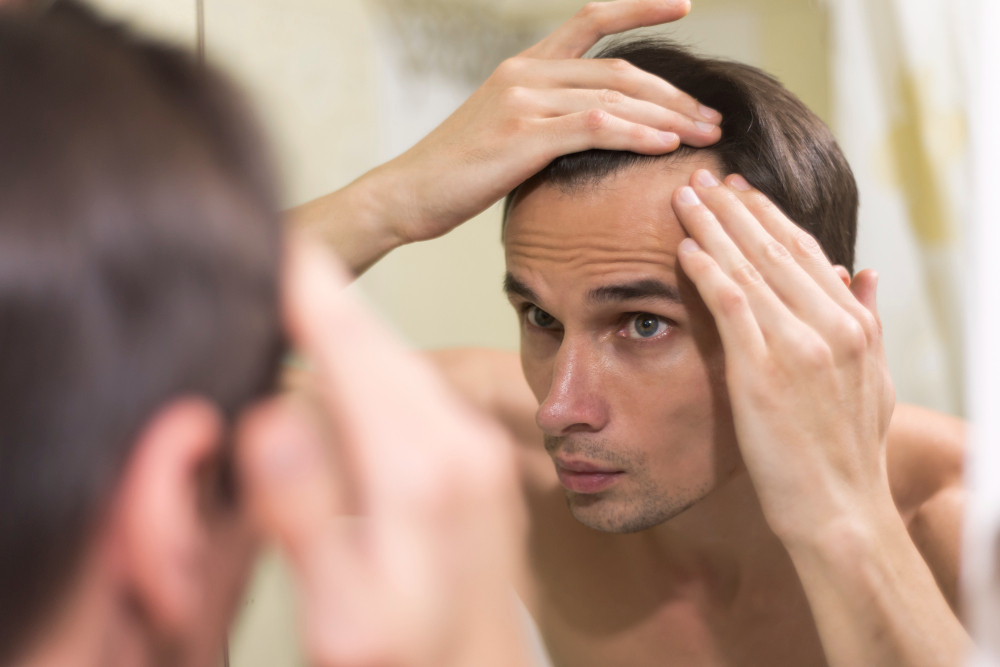
Alopecia is the medical term for hair loss. It can affect your scalp or even other parts of your body. Many people worry when they notice more hair in their brush or shower. In fact, hair loss can impact self-esteem and confidence. However, understanding alopecia is the first step to finding help. Dermatologists are experts in diagnosing and treating hair loss. They can guide you toward the right solution.
Common Causes of Hair Loss
There are many reasons why you might be losing hair. Sometimes, it is due to genetics. Other times, it can be caused by health or lifestyle factors. For example, stress or poor nutrition may play a role. Here are some common causes:
Because there are many causes, it is important to see a dermatologist for a proper diagnosis.
Types of Alopecia
There are several types of alopecia. Each type has its own pattern and cause. Knowing the type helps your dermatologist choose the best treatment. Some common types include:
Each type may need a different approach for treatment and care.
Symptoms and When to See a Dermatologist
Hair loss can look different for everyone. Sometimes, you may notice thinning hair. Other times, you might see bald patches. In some cases, the scalp may feel itchy or sore. If you notice any of these signs, it is wise to seek help. Especially if:
Early advice from a dermatologist can make a big difference.
How Dermatologists Diagnose Alopecia
First, your dermatologist will ask about your health and family history. Next, they will examine your scalp and hair. Sometimes, they may gently pull on your hair to see how much comes out. In some cases, they may order blood tests to check for health problems. Rarely, a small scalp sample (biopsy) may be needed. With these steps, your dermatologist can find the cause and suggest the best alopecia treatment.
Treatment Options Your Dermatologist May Offer
There are many ways to treat alopecia. The right choice depends on the cause and type of hair loss. Your dermatologist may suggest:
Because each person is different, your dermatologist will create a plan just for you. According to the American Academy of Dermatology, early treatment often leads to better results.
Lifestyle Tips for Managing Hair Loss
Along with medical treatment, simple lifestyle changes can help. For example, you can:
These steps support scalp health and may slow hair loss.
Prevention and Early Intervention
While not all hair loss can be prevented, early action helps. If you notice more hair falling out, do not wait. Instead, talk to a dermatologist as soon as possible. Early diagnosis can stop hair loss from getting worse. In some cases, it can even help hair grow back. For those seeking alopecia treatment in their city, many clinics offer expert care and advice.
In summary, alopecia can be stressful, but effective solutions are available. Consult Dr.Srinivas Neelarapu at Balaji Skin Clinic for personalized diagnosis and expert guidance on hair loss and alopecia treatment. Early evaluation can help manage hair fall and improve long-term scalp health.