What Is Psoriasis Relapse?
Psoriasis is a long-term skin condition. Sometimes, even after treatment, the red, scaly patches can return. This is called a psoriasis relapse. In other words, a relapse means your symptoms come back after getting better. Preventing psoriasis relapse is important for your comfort and skin health. Although psoriasis cannot be cured, you can take steps to reduce flare-ups and keep your skin clear for longer.
Common Symptoms and Warning Signs of Relapse
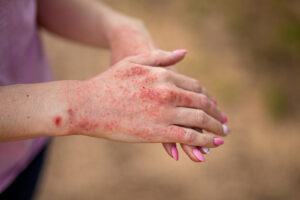
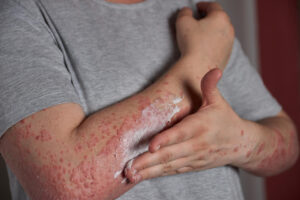
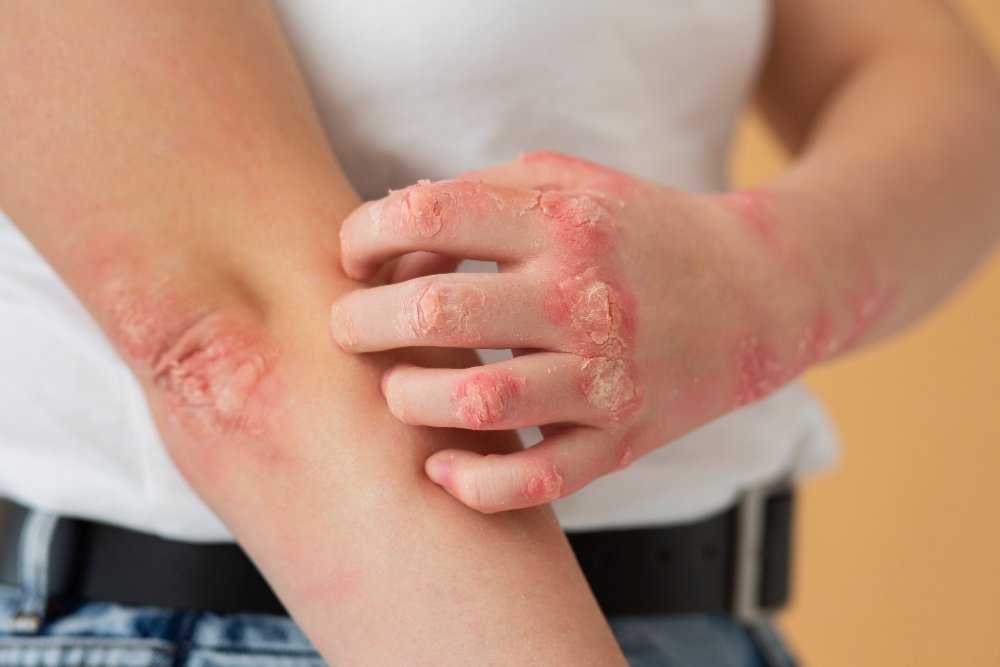
Knowing the early signs of a psoriasis relapse can help you act quickly. For example, you may notice:
Sometimes, small changes in your skin can signal a flare-up. Therefore, watching for these signs can help you start treatment sooner.
Main Causes and Triggers of Psoriasis Relapse
Many things can trigger a psoriasis relapse. However, triggers can be different for each person. Common causes include:
Because triggers vary, it helps to track your own flare-ups. This way, you can avoid known triggers and lower your risk of relapse.
Diagnosis and Monitoring of Relapse
If you think your psoriasis is coming back, see your doctor. Usually, a dermatologist can diagnose a relapse by looking at your skin. Sometimes, they may ask about your symptoms or recent changes in your life. In rare cases, a skin biopsy may be needed. Regular check-ups help monitor your skin and adjust your treatment plan as needed.
Evidence-Based Prevention Strategies
Preventing psoriasis relapse is possible with the right steps. According to the World Health Organization and other experts, you can try these strategies:
Because each person is different, your doctor may suggest other ways to prevent flare-ups. Sticking to your medication and skincare routine is key for psoriasis flare-up prevention.
Tips for Daily Management to Reduce Relapse Risk
Small daily habits can make a big difference. For example, you can:
Additionally, keeping a diary of your symptoms and triggers can help you spot patterns. This way, you can take action early and prevent a relapse.
When to Seek Medical Help
Sometimes, a psoriasis relapse can be hard to manage at home. If your symptoms get worse, or if you notice new patches, contact your dermatologist. Also, seek help if your skin becomes painful, infected, or if you feel unwell. Early treatment can stop a mild flare-up from becoming severe.
Conclusion
In summary, preventing psoriasis relapse takes daily care and attention. By following your treatment plan and making healthy choices, you can lower your risk of flare-ups. For the best results, consult a dermatologist Dr. Srinivas Neelarapu for personalized advice on preventing psoriasis relapse.