What is Leprosy?
Leprosy is a long-term infection caused by bacteria called Mycobacterium leprae. This disease mainly affects the skin, nerves, and sometimes the eyes. Although leprosy is rare in many countries, it still exists in some parts of the world. Understanding leprosy is important because early treatment can prevent serious problems. In addition, knowing the signs helps protect your health and the health of others.
Symptoms of Leprosy
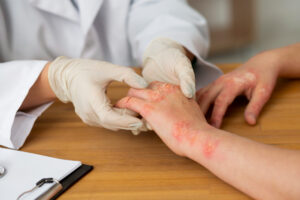
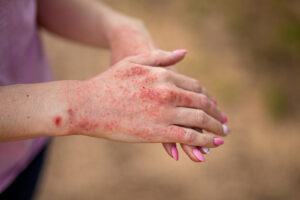
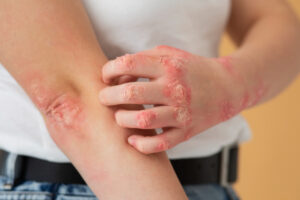
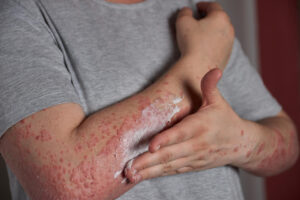
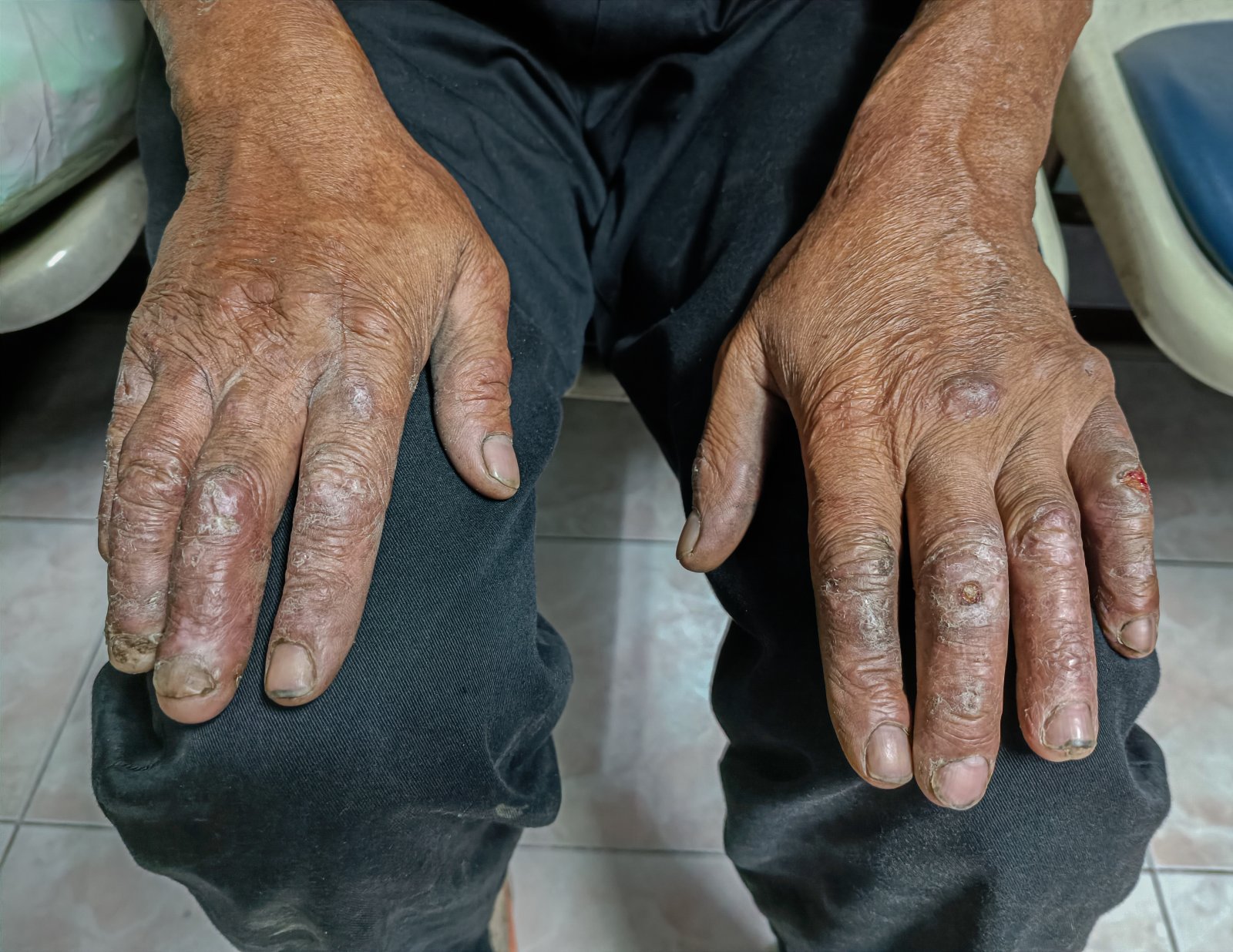
Leprosy symptoms can appear slowly, often over several years. Because of this, many people do not notice the early signs. However, early detection is key to stopping the disease from getting worse. Common symptoms include:
Sometimes, people may also notice muscle weakness or tingling. If you see these signs, it is important to seek medical advice.
Causes and Risk Factors
Leprosy is caused by the Mycobacterium leprae bacteria. The disease spreads through droplets from the nose or mouth of an infected person. However, it is not highly contagious. Most people who come into contact with the bacteria do not get sick. Still, some factors can increase your risk:
Even though leprosy can affect anyone, children are more likely to get it than adults. But with proper treatment, most people recover fully.
How Leprosy is Diagnosed
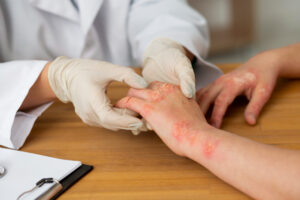
Doctors use several methods to diagnose leprosy. First, they check your skin for patches or numbness. Next, they may ask about your symptoms and medical history. If needed, a doctor might take a small sample of skin or nerve tissue for testing. This is called a biopsy. In some cases, lab tests help confirm the diagnosis. Early diagnosis is important because it helps prevent nerve damage and other problems.
Treatment Options for Leprosy
Leprosy treatment options have improved greatly in recent years. Today, doctors use a mix of antibiotics to kill the bacteria. This is called multidrug therapy (MDT). The World Health Organization (WHO) provides these medicines for free in many countries. Treatment usually lasts from 6 months to 1 year, depending on the type of leprosy. During this time, most people stop being contagious after a few days of starting medicine. In addition, doctors may suggest other treatments to help with nerve pain or skin care. Early treatment can prevent disability and allow people to live normal lives.
Prevention and Lifestyle Tips
While leprosy is not easy to catch, there are ways to lower your risk. Here are some helpful tips:
With these steps, you can help protect yourself and others from leprosy.
Frequently Asked Questions about Leprosy
If you notice symptoms of leprosy or have concerns, consult Dr Srinivas Neelarapu for personalized advice.