What Are Fungal Skin Infections?
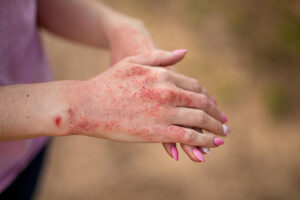
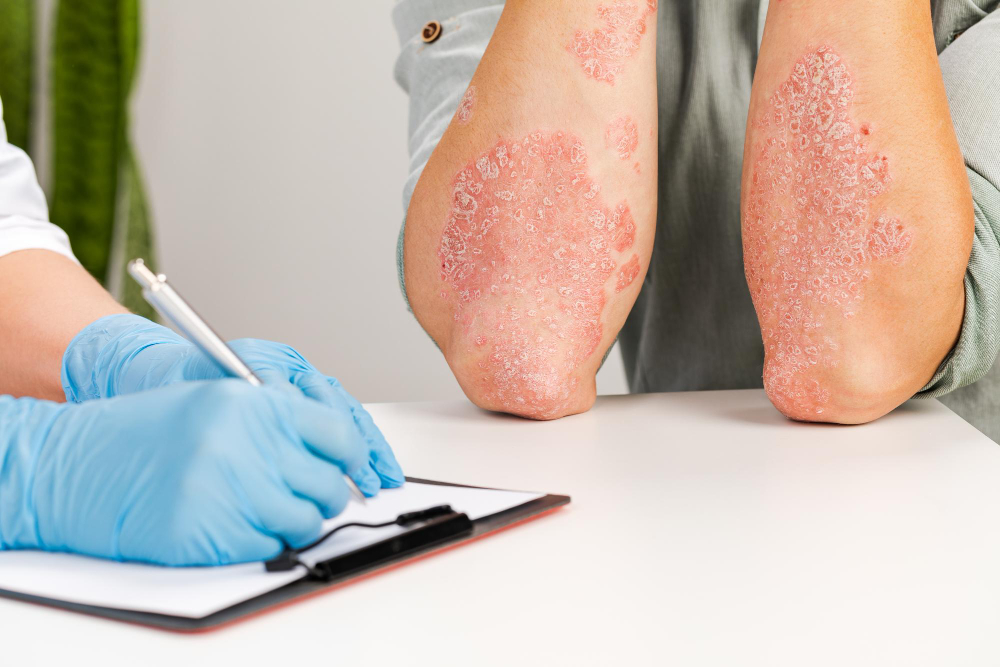
Fungal skin infections are common problems that affect people of all ages. These infections happen when certain types of fungi grow on the skin. Because fungi love warm and damp places, they often appear in areas like feet, groin, or underarms. For example, athlete’s foot and ringworm are both types of fungal skin infections. While most cases are mild, some can get worse if not treated. Therefore, knowing how to identify fungal infections early can help you stay healthy.
Common Signs and Symptoms
Fungal skin infections can look different depending on the type and area affected. However, some signs are easy to spot. If you notice any of these symptoms, it may be time to talk to a healthcare provider:
Sometimes, fungal infections can spread to other parts of the body. In addition, they may cause pain or burning. Because these signs can look like other skin problems, it is important to pay attention to changes in your skin.
Causes and Risk Factors
Many things can lead to fungal skin infections. Fungi are everywhere, but certain conditions make infections more likely. For instance, warm and humid weather can help fungi grow. Also, some people have a higher risk due to their lifestyle or health. Here are some common causes and risk factors:
Because fungi spread easily, practicing good hygiene can lower your risk. In many cities, such as New York or Los Angeles, crowded living spaces can increase the chance of infection. Therefore, knowing your risk can help you prevent skin fungus symptoms from starting.
How Fungal Skin Infections Are Diagnosed
Doctors use several methods to diagnose fungal skin infections. First, they will look at your skin and ask about your symptoms. Sometimes, they may gently scrape a small piece of skin for testing. This test helps confirm if fungi are present. In some cases, a doctor may use a special light to check for certain types of fungus. Because some skin problems look similar, proper diagnosis is important. Early diagnosis can help you get the right treatment and stop the infection from spreading.
Treatment Options
Treatment for fungal skin infections depends on the type and how severe it is. Most mild infections can be treated with creams or ointments you put on the skin. These are called antifungal medicines. For example, creams with clotrimazole or terbinafine are often used. If the infection is severe or keeps coming back, your doctor may suggest pills. In addition, keeping the skin clean and dry helps the medicine work better. Always follow your doctor’s advice and finish the full course of treatment. This helps prevent the infection from returning.
Prevention Tips and Lifestyle Guidance
Preventing skin fungus is possible with a few simple steps. Because fungi thrive in warm and damp places, keeping your skin dry is key. Here are some tips to help you avoid fungal skin infections:
Because good habits can make a big difference, try to follow these steps every day. If you notice any skin fungus symptoms, seek help early. Early action can stop the infection from spreading and keep your skin healthy.
Take the first step towards better health. Book your consultation today.