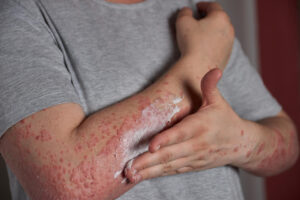
What Is Urticaria?
Urticaria, often called hives, is a skin condition that causes sudden rashes. Many people wonder, “why do sudden skin rashes appear?” Urticaria happens when the skin reacts to certain triggers. As a result, red or pale bumps show up. These bumps can be itchy and uncomfortable. According to the World Health Organization, urticaria affects up to 20% of people at some point in their lives. Sometimes, the rash goes away in a few hours. However, it can also last for days or even weeks. Urticaria is not contagious, so you cannot catch it from someone else.
Common Symptoms of Urticaria
Urticaria has several clear signs. For example, you may notice raised, red, or white patches on your skin. These patches are called wheals. They can appear anywhere on the body. In many cases, the rash is very itchy. Sometimes, the skin may burn or sting. Although the rash can change shape or move, it usually fades within 24 hours. Here are some common symptoms:
Additionally, some people may notice swelling deeper in the skin, known as angioedema.
Causes of Sudden Skin Rashes
There are many reasons why urticaria and sudden skin rashes appear. Often, the immune system reacts to something harmless, like food or pollen. This reaction releases chemicals, such as histamine, which cause the skin to swell and itch. However, not all cases have a clear cause. Some common triggers include:
Sometimes, the exact reason remains unknown. In these cases, doctors call it “idiopathic urticaria.” According to the American Academy of Dermatology, about half of all cases have no clear cause.
How Urticaria Is Diagnosed
Doctors diagnose urticaria by looking at your skin and asking about your symptoms. First, they may ask when the rash started and how long it lasts. Next, they will want to know about any new foods, medicines, or activities. Sometimes, doctors may do allergy tests or blood tests. These tests help rule out other conditions. However, in most cases, no special tests are needed. If the rash lasts more than six weeks, it is called chronic urticaria. For chronic cases, doctors may look for hidden infections or other health problems.
Treatment Options for Urticaria
Treating urticaria often starts with avoiding known triggers. However, when a rash appears, medicines can help. The most common treatment is antihistamines. These drugs block the chemical that causes itching and swelling. In some cases, doctors may prescribe stronger medicines, such as corticosteroids, for short periods. For people with chronic urticaria, other treatments may include:
According to the CDC, most people find relief with simple treatments. However, it is important to follow your doctor’s advice.
Tips for Managing and Preventing Urticaria
Although urticaria can be bothersome, there are ways to manage and prevent flare-ups. First, try to identify and avoid your triggers. Keeping a diary of foods, activities, and symptoms can help. Additionally, you can:
For children, parents should watch for new foods or products that might cause a rash. If you have frequent or severe symptoms, it is important to talk Dr. Srinivas Neelarapu. Early care can help prevent complications and improve comfort.